No products in the cart.

← Back to Blog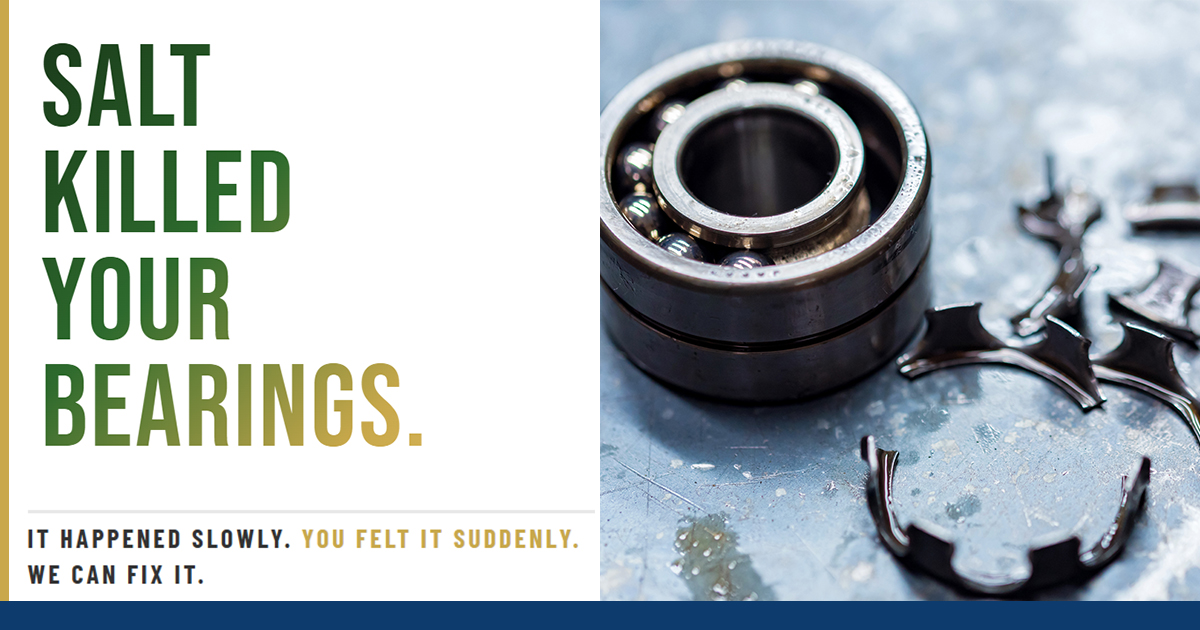
The Complete Guide to Fishing Reel Repair — Fischer Angling
If you've ever had a reel consistently backlash without changing any settings, felt a sticking drag on a solid hookset, or heard rattles or clicks that just weren't there before — you already know that fishing reel repair isn't optional. It's happened to me during trips. I find myself having to set aside my third rod because something happened to it, and the first two are gone. Now I'm down to my last rod in the boat, having to change lures on my one remaining setup instead of just swapping rods. It's what separates a day-ending breakdown from a quick fix that gets you back on the water. After 15 years of servicing baitcasters and spinning reels on the Gulf Coast, I've seen every failure mode imaginable. This guide walks you through what fishing reel repair actually involves, when you need it, what the process looks like, and how to make sure it doesn't happen more than it has to.
What Is Fishing Reel Repair — And When Do You Need It?
Fishing reel repair covers anything beyond basic cleaning and lubrication — it's the diagnosis and correction of mechanical failures inside the reel body. Think seized bearings, stripped gears, handle and bail issues, and broken drag washers. These aren't problems you can solve with a drop of oil and a prayer.
The clearest sign you need repair rather than a standard service is when something changes during a fishing trip. A reel that was smooth last Saturday and is now grinding on Tuesday didn't get that way from sitting on a shelf. Something broke, wore out, or failed. Other red flags include:
- A drag that slips or locks with no in-between
- A spool that wobbles under load
- A handle that slips
- Clicking or ticking sounds on retrieve
- A baitcaster that won't disengage from free spool, or won't re-engage after a cast
If any of those sound familiar, you likely need more than a cleaning. You need a proper diagnostic and fishing reel repair. Not sure if what you're experiencing qualifies? Read through the top signs your baitcaster needs professional service — it covers the most common warning signs in detail.
Common Problems That Require Fishing Reel Repair
Here's what I see most often on the bench — and what causes each one.
Bearing Failure
Bearings are the most common repair item on any reel. Salt intrusion, lack of maintenance, and simple mileage all kill bearings the same way: corrosion seizes the balls, increases friction, and eventually causes them to freeze. You'll normally feel it as a rough retrieve. On baitcasters, a failed spool bearing will kill your casting distance overnight. Replacement bearings range from standard ABEC-rated steel to ceramic, and the difference in performance is significant — especially in saltwater. Many bearings aren't in locations you can easily see, so a full disassembly is necessary to properly inspect and replace them.
Gear Damage
Gears can strip or wear when reels are used under load they weren't designed for — dragging a heavy sinker off the bottom, yanking a snag, or fighting a fish with a locked drag. Plastic gears wear or break faster than aluminum or brass, and cheaper reels show this quickly. Gear replacement is one of the more involved repairs because it requires full disassembly and precise alignment on reassembly. Get it wrong and you'll introduce new problems faster than you solved the old ones.
Drag System Breakdown
Drag washers compress thousands of times across a season. They wear down, dry out, compress unevenly, or get contaminated with salt and sand. When the drag starts slipping inconsistently — smooth at low settings, sticky at higher ones — the washers are usually the culprit. Carbon fiber washers deliver more consistent performance in high-load situations and last longer than felt. Matching the replacement to the reel's design matters.
Line Roller and Level Wind Issues
The line roller on a spinning reel is another high-wear component. It spins on every single retrieve. When the roller bearing fails, it causes line twist, fraying, and eventually break-offs at the worst possible moment. On baitcasters, the level wind pawl is a small piece that wears with use — when it fails, line piles up on one side of the spool instead of laying evenly.
For a closer look at what's happening inside the reel during a full service, see our complete reel service process breakdown.
DIY vs. Professional Fishing Reel Repair: What's the Difference?
Let's be honest about what's realistic to do yourself and what isn't.
Basic cleaning — removing the side plates, wiping out old grease, re-lubricating bearings with fresh oil — is well within reach for a patient angler with the right tools and a tutorial. I've written about that process in detail in the DIY reel service guide. I also have YouTube tutorials on several types of reels that walk through the process step by step — including this full teardown and reassembly of a Shimano Curado DC 150HG:
But repair is different from service. The moment you're diagnosing a mechanical failure, sourcing replacement parts, and working inside a gearbox — you're in professional territory. Here's why:
Diagnosis Takes Experience
A grinding sound during retrieve could be a bearing, a gear, debris in a component, or a drag washer rubbing wrong. Misdiagnosing it means replacing the wrong part and still having a broken reel. After 15 years on the bench, I can usually narrow it down by sound and feel before I even open the reel.
Parts Availability Is a Real Problem
Manufacturers don't always stock parts for reels more than a few years old. Finding the right bearing, gear, spool, or pinion gear for a discontinued model requires knowing where to source from and what cross-references will work. Getting this wrong wastes money and time.
Reassembly Is Where DIY Breaks Down
Most fishing reel repair disasters I see didn't happen during disassembly — they happened during reassembly. Springs go in backward. Washers get left out. Clips are lost and not reinstalled. The reel looks fine until it fails under load. A professional reassembly includes bearing and drag testing and a casting check or free-spin check before the reel goes back out.
If you're handy and want to learn, starting with a $30 spare reel is smart. If your primary fishing reel needs repair before a trip, that's not the time to experiment. Understanding how often your reel actually needs service can also help you stay ahead of failures before they happen.
The Professional Fishing Reel Repair Process at Fischer Angling
Here's exactly what happens when a reel comes through my shop.
Step 1: Initial Inspection
Every reel gets a visual inspection before it's opened. I'm looking at the frame for wear, checking the handle and knob for play, listening to the reel during its retrieve, and testing the drag system at multiple settings. I document the condition before touching anything.
Step 2: Complete Disassembly
The reel is fully disassembled — every bearing, gear, drag washer, spool, and component comes out. On a baitcaster that's typically 40–80+ individual parts. Each component goes into a labeled tray so nothing gets lost or mixed up.
Step 3: Ultrasonic Cleaning
All necessary components go through my ultrasonic cleaner with a degreasing solution. This removes salt crystals, old grease, and contamination from places a cotton swab can't reach — the inside of bearing races, gear teeth, and frame cavities. This step alone extends part life significantly.
Step 4: Component Inspection and Repair
With everything clean, the real diagnosis happens. Bearings get tested for smoothness. Gears get checked for wear patterns. Drag washers are assessed for rips or inconsistency. Any failed components get noted, and we discuss replacement options before I order anything.
Step 5: Rebuild with Premium Lubricants
Bearings get a fresh treatment of precision oil matched to their application — lighter oil for spool bearings, heavier for handles. Internal parts and gears get the right grease for the load they carry. I don't use general-purpose lubricants on fishing reels. The wrong lubricant at the wrong viscosity creates as many problems as it solves.
Step 6: Reassembly and Testing
Every reel is reassembled in sequence and tested at each stage — not just as a complete unit at the end. Free spool, brake engagement, and retrieve smoothness all get confirmed before the reel is boxed. It goes back to you dialed in and ready to fish, not just structurally complete. Anglers who want maximum performance can add Super Tuning at this point — it's the right time to do it since the reel is already apart.
How Much Does Fishing Reel Repair Cost?
Repair pricing depends on what's wrong and what parts are needed. At Fischer Angling, base service pricing covers full disassembly, ultrasonic cleaning, lubrication, and reassembly:
- Baitcaster Service — full teardown, clean, lubrication, and reassembly
- Spinning Reel Service — same complete process for spinning reels
- Super Tuning — performance optimization beyond standard service
Parts are priced separately and quoted before any work begins. Ceramic bearing upgrades run $12.50 each installed — a worthwhile investment on primary fishing reels that see saltwater regularly.
What fishing reel repair costs is almost always less than replacement. A quality baitcaster runs $200–$500+. A full service and repair on that same reel, even with bearing replacement, typically runs a fraction of that. The math isn't hard.
The bigger cost of deferred repair is what happens on the water. A reel that fails during a tournament or on a redfish flat miles from the boat ramp costs you more than the repair bill ever would have. The real cost of deferred reel maintenance breaks this down in detail with actual numbers.
How Coastal Conditions Accelerate Reel Damage
Gulf Coast anglers deal with conditions that accelerate every mechanical failure on this list. Salt air, humidity, and direct saltwater exposure are relentless. A reel that would last five years with annual freshwater service might need attention every season on the Gulf.
Salt doesn't just corrode. It crystallizes inside bearing races as the water evaporates, creating abrasive grit that grinds down precision components over time. Humidity accelerates oxidation on aluminum and steel parts even without direct water contact. The full breakdown of how coastal humidity destroys fishing reels is worth reading if you fish the Gulf regularly.
This is why I recommend Gulf Coast anglers rinse their reels with fresh water after every salt exposure, re-lubricate bearings every 10–15 hours of saltwater fishing, and get a full service annually — more if you fish hard. Not sure where you fall on that schedule? The reel service frequency guide lays it out by fishing type and environment.
Mail-In Service: Fishing Reel Repair from Anywhere on the Gulf Coast and Nationwide
You don't need to be local to get your reel serviced. My mail-in program handles fishing reel repair for anglers across Texas, Louisiana, and beyond. The process is simple — you ship the reel, I handle the repair and ship it back. The full details on packaging, turnaround, and what to expect are in the mail-in reel service guide.
Local drop-off is also available if you're in the area. Visit the contact page to coordinate.
Ready to Get Your Reel Repaired?
If your reel is grinding, slipping, clicking, or casting worse than it used to — don't wait until it fails completely on the water. Fishing reel repair is always cheaper and faster before a full failure than after.
Use code SPRING15 at checkout for 15% off any service through April 30, 2026.
SPRING15 DEAL
LIMITED TIME OFFER
SPRING REEL SERVICE DEAL
15% OFF
ALL REEL SERVICES
USE CODE AT CHECKOUT
SPRING15
Expires April 30, 2026
- ✔ Baitcasters & spinning reels
- ✔ Gulf Coast saltwater specialists
- ✔ 10-day turnaround
- ✔ Mail-in or local drop-off
15+ years · 1,500+ reels serviced
